

Understanding and Fixing the Banging Sound From Pipes
A home’s plumbing system is designed to move water quietly and efficiently, yet certain conditions can turn that peaceful flow into a jarring series of bangs that rattle walls and catch attention fast. That unsettling sound has a name and several potential causes, and understanding both is the first step toward protecting a home’s piping and the appliances that rely on it. With the right knowledge in hand, homeowners can move from confusion to action, reaching out to a qualified plumber before the problem grows into something far more serious.
What Is Water Hammer and Why Does It Happen?

Several factors can set the stage for water hammer to develop, and the culprit is often built into the very appliances designed to serve a home. Modern appliances such as washing machines and dishwashers are equipped with quick-closing valves that shut off water flow almost instantaneously, leaving the moving water nowhere to go but backward through the pipes. Loose pipes that shift freely within walls, excessive water pressure entering the home from the main supply line, and clogged air chambers that were once meant to cushion the impact all contribute to making the problem worse over time.
Understanding these causes helps paint a clearer picture of why water hammer is not a problem that simply appears out of nowhere, but rather one that builds as conditions in a plumbing system align. Each time a quick-closing valve snaps shut, or each time high water pressure pushes water through pipes that have no give, the shock wave grows more forceful. Recognizing those contributing factors early gives a plumber the information needed to trace water hammer back to its source and eliminate it.
The Risks of Ignoring Water Hammer
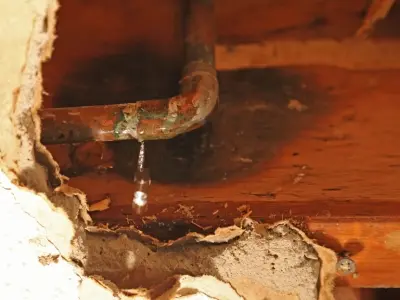
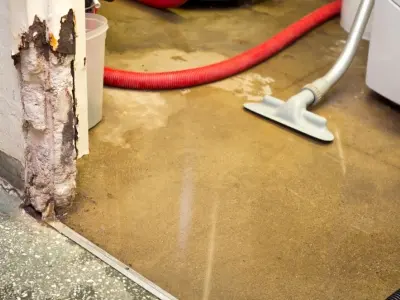
Leaks and burst pipes are among the most serious consequences of prolonged water hammer, and both can cause significant water damage to walls, floors, and the foundational elements of a home before anyone realizes what has happened. The appliances connected to the plumbing are equally vulnerable, as the repeated stress from hydraulic shock can shorten the lifespan of washers, dishwashers, refrigerators with ice makers, and other water-dependent equipment. Repair and replacement costs for those appliances, combined with the expense of repairing water damage, make ignoring water hammer a costly decision in the long run.
There is also the matter of what water damage leads to when left to develop, including mold growth, structural weakening, and damage to personal belongings that cannot always be recovered. The progression from a banging sound to a flooded room can happen faster than expected, especially in a home where water pressure is already high, or pipes are already aging. Treating water hammer as a serious plumbing issue from the moment it is noticed is the kind of proactive approach that protects both the home and the budget.
Common Fixes for Water Hammer
The most reliable way to resolve water hammer is to contact a licensed plumber who can assess the plumbing system, identify the root cause driving the hydraulic shock, and recommend the most effective solution for that specific situation. A professional brings diagnostic tools and experience that allow them to look beyond the obvious symptoms and determine whether the issue stems from water pressure, valve behavior, pipe movement, or a combination of factors. Reaching out to a trusted plumbing service is the step that turns a recurring problem into a permanent resolution.
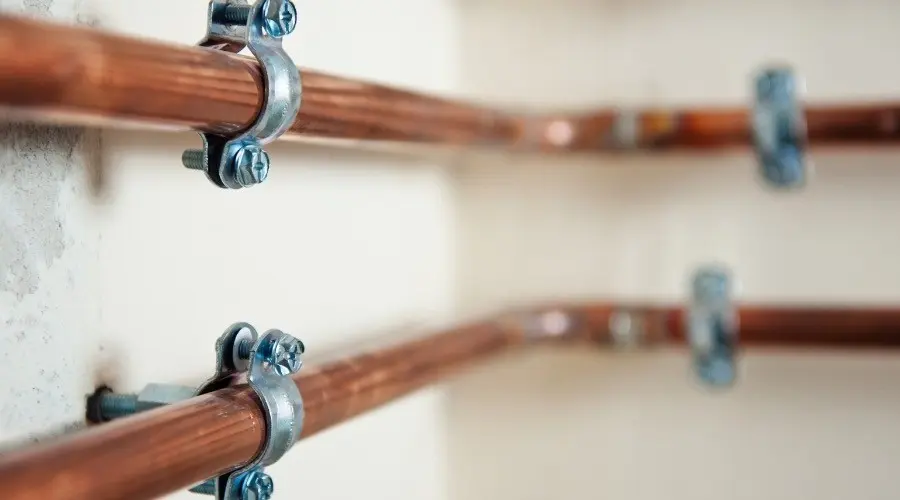
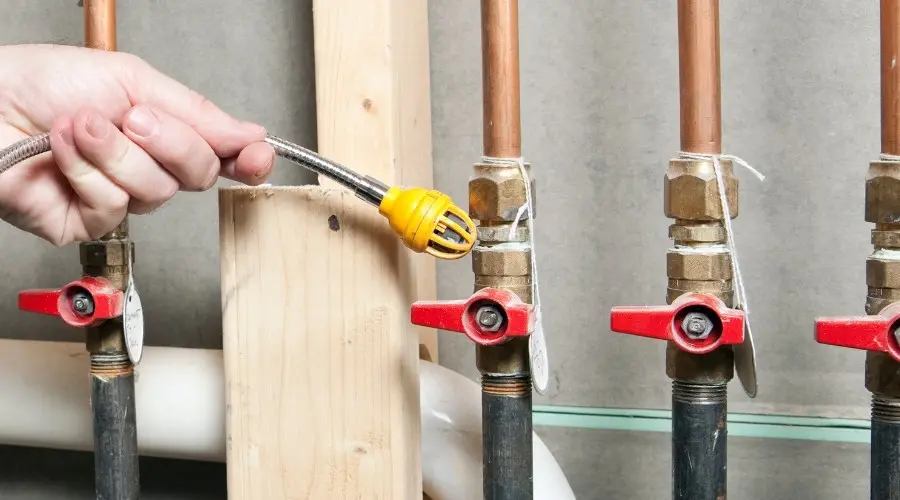
Among the solutions a plumber may recommend is the installation of water hammer arrestors, which are devices engineered to absorb the shock wave before it has a chance to travel through the piping and cause damage. When excessive water pressure is identified as a contributing factor, a plumber can adjust the pressure to a safe level or replace a failing water pressure regulator that is no longer doing its job. Securing loose pipes with proper fasteners and supports is another straightforward fix that eliminates the rattling and movement that amplify the effects of hydraulic shock.
Each of these solutions works best when applied by a professional who understands how the entire plumbing system functions as a connected whole, rather than treating isolated symptoms without addressing what is driving them. Plumbing services that specialize in diagnosing and resolving water hammer bring both the right parts and the right expertise to every job. Homeowners who schedule a service call at the first sign of banging pipes give their plumbing the best possible chance of a long, quiet, and damage-free future.
About The Bosworth Company Kerrville
The Bosworth Company Kerrville is a plumbing, heating, AC, and generator expert serving the community of Kerrville, TX. They provide 24/7 live answering, trustworthy plumbers, and the latest technology. Call them today for plumbing services in Kerrville, TX.
)

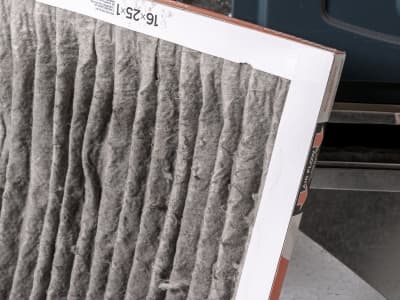 One of the most common reasons a cooling system loses its energy efficiency is simply a lack of regular care. Over time, the
 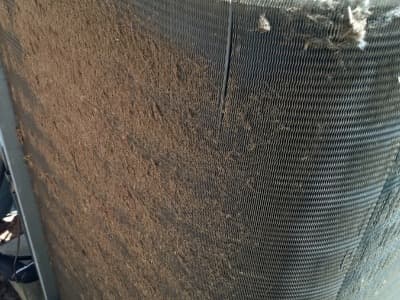 The internal components of a cooling system must remain clean and properly balanced to function effectively. When the outdoor condenser coils and
 )


)

)

)


)
)


)

)


)