Modern kitchen appliances, including a stainless steel oven and control panel, emphasizing the importance of appliance maintenance and replacement in home comfort.

How To Increase The Life Of Your Appliances

Last month, we shared a blog about how to know when to replace your appliances. No one wants to spend money on a new appliance if it isn’t necessary! Along the same lines, it’s always nice to increase the life of your existing appliances. How? It may be simpler than you think! Find out how to increase the life of your appliances.

Ovens/Stovetops

A common mistake that homeowners make is cleaning the stovetop incorrectly. If you aren’t sure what type of cleaner to use, go with vinegar or warm water. Many homeowners use the wrong type of cleaner and damage the burners. Also, never spray around the knobs. Knobs lead to electrical controls and just a squirt could cause a short. Instead, spray a rag and wipe down the knobs.

Refrigerators

When was the last time you cleaned your refrigerator coils? These are located in one of two places: either on the bottom of the front of your refrigerator or in the back of your refrigerator. It looks similar to a radiator, and can collect dust very easily. Use a vacuum or coil brush to remove the dust. That way, your refrigerator doesn’t have to work as hard to cool. When it overworks, it is more likely to need an early replacement.

Dishwashers

This one may surprise you. Be careful how much you pre-wash your dishes before putting them in the dishwasher. Some dishwashing detergents are extremely effective and when combined with soap from a pre-wash, they can cause the dishwasher to produce too many suds and overflow.

Washers

The most common problem with washing machines is overloading. Here’s a rule of thumb: if you have a front-load washer, clothes should not cover the whole window, but only about half.

Dryers

It seems obvious, but always remember to clean the lint trap after every load. It’s also a best practice to make sure the air vent (wherever the air exits from the dryer) isn’t clogged with lent. This should be done every month or so. Also, locate the moisture sensors on your dryer. If you use dryer sheets, the chemical residue can collect on these sensors. Be sure to keep an eye on these as well.

Follow Us!

Hopefully, these tips help to increase the life of your appliances and ultimately the amount of money in your pocket! For other insightful tips and tricks like these, be sure to follow our boards on Pinterest!

White power plug icon on a green circular background, symbolizing electrical connections related to HVAC and plumbing services.

Energy Saving Tips For Winter

Those chilly winter tips affect more than just your bones! They can be hard on your energy bills, too. Check out our ways to save energy this winter!

HVAC

  • Lower your thermostat settings during the night to save an average of 15% on your energy bill! (But don’t forget the blankets!)
  • Consider purchasing a humidifier to achieve and maintain a consistent, warm temperature.
  • Install foam insulation gaskets behind electric outlets and switch plate covers.
  • Check air furnace filters and replace if necessary.

Windows & Doors

  • Install DIY plastic film storm windows.
  • Seal off unused rooms
  • Close the doors and windows whenever possible.
  • Open south-facing windows and curtains, drapes, and blinds in the daylight
  • Check your window frames for cracks and your doors for leaks.
  • Repair any broken window panes.

Fireplace

  • If possible, avoid traditional fireplaces as it can suck the heated air out of your home. (Go with gas!)
  • Close the fireplace damper and seal the opening shut when not in use.
  • Replace old/loose fireplace dampers and install a sheet-metal insert.

Attic

  • Upgrade your insulation – you should have at least 7 inches
  • Seal exposed ductwork
  • Repair large holes in the attic

Think Of Us First!

The tips above should help you save energy this winter! For other tips and tricks like these, be sure to follow our boards on Pinterest. And for all of your heating and cooling needs, think of The Bosworth Company first! We’re worth the call. Always.

Cozy living room with a brown leather sofa and armchair, large windows draped with sheer white curtains, and a potted plant, highlighting energy-efficient home comfort.

How To Layer Your Windows

According to the U.S. Department of Energy, heat that goes out the window accounts for up to a quarter of heating bills. Of course, a solution to this heat loss would be covering the windows to converse heat and save energy. Even better than just a covering your windows is layering them…find out how to layer your windows in the 5 easy steps below!

1. First, choose a cellular shade. These come in single, double, or triple cell shades; the more cells there are, the more insulation there will be. Cellular shades alone reduce heat loss by up to 31%!

2. Hang the shades inside the window frame, a half-inch from the glass, with gaps of only a quarter inch on either side. To take advantage of solar heat gain, raise and lower the shades with the sun.

3. Next add sheers. Sheers hung on a double rod add privacy and light control when the shades are raised to capture the sun.

4. Drapes alone cut heat loss by approximately 10%. When choosing drapes, look for ones with a tightly woven fabric and a lining. Hang them about an inch from the window with a 4 inch overlap at the center.

5. To tie your window layers together, choose a valance or cornice to button up windows even more by trapping air along the top of the window.

Think Of Us First

By layering your windows, you’ll not only save energy by keeping your home warmer, but you’ll also add some festive decor to the “eyes of your home.” The same ideas can be applied to your glass doors, too! At The Bosworth Company, our priority is the comfort of your home, so think of us first for all your HVAC, plumbing, and electrical needs! For other tips and tricks like these, follow our boards on Pinterest!

Hammer and nail on wooden surface, representing home maintenance tools for plumbing and HVAC tasks.

Home Maintenance For 2017

While home maintenance may not be your favorite thing to do, it can decrease your chance for costly replacements or emergencies as well as keep your home looking pristine! This new year, why not make a resolution to practice proper home maintenance? Trust us, you’ll be glad you did! Find out how to get started.

Bi Annually

  • Replace batteries in both your smoke and carbon dioxide detectors (not just when it starts beeping at you).
  • To allow your refrigerator to operate more efficiently, vacuum your refrigerator coils. This can save you up to $100 a year!
  • Prevent mineral and corrosion buildup by testing your water heater’s pressure relief valve. This can also help you heater run more efficiently.
  • Deep clean your house (that’s right, appliances, windows, nooks, crannies, etc.). Besides the joy of having a nice, clean house, ridding your home of dust, dirt and grime will keep your home in tip-top shape.

Quarterly

  • Test your smoke and carbon dioxide detectors by pressing the “test” button on your detector.
  • Check water softener and add salt, if necessary.
  • Test your garage door’s auto reverse feature by placing a 2×4 on the ground below the door. Within a second of the door hitting the wood, it should reverse.
  • Run water and flush toilets in your unused spaces. Have a sink in your laundry room or a toilet in your guest bedroom that doesn’t get much use? Test them to be sure they not only work properly but  also to prevent buildup.

Monthly

  • Clean sink disposal. (Vinegar ice cubes is an easy and effective way to do this.)
  • Inspect HVAC filters and replace if needed. While it’s often recommended, it’s not always necessary to replace your HVAC filters monthly. For small households (especially without pets), it’s okay to replace for filter every 2-3 months.
  • Use a degreaser from an auto parts store mixed with hot water to clean your range hood filter.
  • Examine fire extinguisher (be sure it’s easily accessible, no wear and tear, and adequate pressure).

Seasonal

For seasonal home maintenance tips, check out our blogs, Ways To Prepare Your Home For Spring, Fall Maintenance Tasks, Bosworth’s Tips To Prepare For The Winter Season, and Easy Ways To Get Your Patio Ready For Summer…and don’t for get about the seasonal system checks we offer! Schedule yours today!


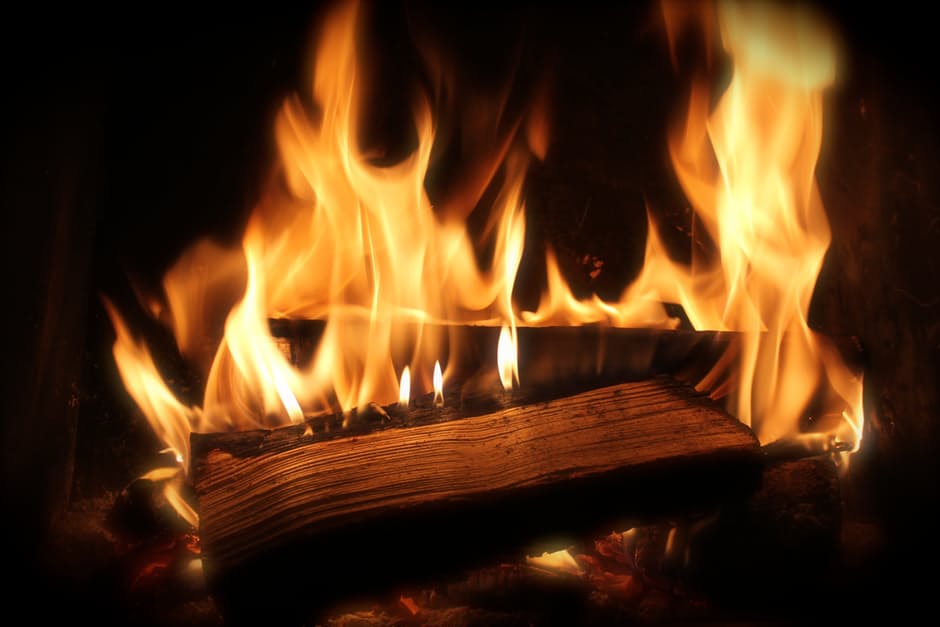
Cozy fireplace with crackling flames and burning logs, emphasizing winter warmth and home comfort, relevant to home maintenance and safety tips.

How To Prepare Your Fireplace For Winter

Winter is almost here…and you know what that means. Cozy evenings and crackling fires in the fireplace! However, fireplaces and chimneys are involved in 42% off all home-heating fires. So before you spark up the logs, use these 8 tips to prepare your fireplace for winter!

1. Have your chimney swept – Your chimney should be swept at least once a year to remove soot and debris. The end of fall/beginning of winter is the perfect time to do this.

2. Check for damage – In addition to having your chimney swept, you should inspect the chimney structure and liner for cracks, loose bricks, missing mortar, etc.

3. Cap the chimney – If you’ve never done it before, now is a good time to have your chimney capped. A cap fitted with wire-mesh sides covers the top of the chimney and keeps animals, debris, etc. from entering. If your cap is missing or damaged, get it replaced.

4. Burn the right wood – Choose dense wood that’s been stored and dry for at least 6 months. Wood that is softer or damp can produce a build-up that can collect in your chimney.

5. Don’t overload – Be cautious to not overload your fire. Small fires generate less smoke, and obviously, less heat. Too much smoke or heat can crack the chimney.

6. Start it right – Place your logs on a metal grate at the rear of the fireplace. Rather than flammable liquids, use kindling to start the fire.

7. Use a fireplace screen – Prevent embers and sparks from shooting out of the fireplace with a mesh metal screen or glass doors.

8. Keep an eye on it – After you start a fire in your fireplace, be sure to keep an eye on it to ensure the fire is contained and everyone stays a safe distance away.

Wishing You A Cozy Winter!

If you don’t want to deal with fireplace maintenance, you may want to consider gas logs. Discover the benefits and contact us to tell you more!

At The Bosworth Company, your comfort & satisfaction is our priority. For all your HVAC, electrical, and plumbing needs, think of us first! We’re worth the call…always.

Airplane on runway in front of illuminated city skyline at night, symbolizing travel and holiday vacations.

Going On A Holiday Vacation? Protect Your Plumbing!

The holidays are a popular time to go on vacation. Whether you’re visiting family or just looking for a cold weather escape, you should take certain precautions when it comes to your plumbing. Take a look at these ways to protect your plumbing if you’re leaving town!

Turn Off The Water

No one wants to come home to water damage. If your home will be empty for an extended period of time while there’s below freezing temperatures, consider turning off your water while you are gone to avoid the issue entirely. Another alternative is to have someone stay at your house while you’re away. This way, they can keep an eye on things and take care of any emergency situations that come up. (Not to mention if it looks like someone is home, your home is less likely to be broken into.)

Keep Your Pipes Warm

If you decide against turning off all water supply, you have to keep those pipes warm to prevent them from bursting. Keep the heat on, as cold homes are more likely to have frozen pipes. You want to keep everything above freezing temperatures, but not run up your heating bill. Be sure to cover your outside faucets to prevent them from freezing as well.

Turn Off Your Hot Water Tank

We wouldn’t wish anyone’s hot water heater to go out, but it does happen. And sometimes, when it does, it can be a mess. Avoid the risk entirely and turn off your hot water tank before you leave.

One Last Check

It’s probably a good idea to do a routine check of your plumbing before you head out. Check for leaks or any drips (don’t forget to look under the sinks) that could potentially turn into a big problem should they be left unattended.

No Additional Charge!

We wish you safe travels this holiday season! If you do choose to stay home, remember that there is no additional charge for holiday service calls! Request our service online any time!

Colorful out-of-focus Christmas lights glowing in a festive display, evoking a cozy winter atmosphere.

Holiday Decor Safety Tips

We know what you’re thinking…holiday decor safety tips? What is there to possibly know about holiday decor safety tips? You may be surprised, actually. When you really think about it, holiday decor comes with some safety hazards. Knowing the risks and hazards could prevent a holiday emergency…find out more!

Christmas Trees

Don’t place a Christmas tree – either real or artificial- next to fireplaces, heating ducts or radiators, nor place them where they block doorways or high-traffic areas.

If you do have a live tree, keep in watered. A dry tree will burn faster than one that’s been watered.

When placing ornaments on a tree, keep child and pet safety in mind. Put the more fragile or sentimental ornaments closer to the top of the tree, and the unbreakable ones on the bottom.

Lights

When hanging lights on your house, ladders should be on level, firm ground (add leg levelers if you’re on an incline). To hang lights, deploy a ladder extending a minimum of three feet over the roofline or working area. Keep in mind that your ladder should also be able to carry both your weight and any objects you’re carrying.

Be sure your lights have cleared the safety tests conducted by Underwriters Lab or another established testing facility. Lights checked by the Underwriters Lab are marked with a holographic UL label (red label means lights can be used indoors and out, while green means indoor-use only).

Keep in mind, your source of power for your lights should come from a ground fault circuit interrupter (GFCI) outlet. That way, if there is an over current, the outlet will shut the circuit down. If you don’t have an outdoor GFCI, contact The Bosworth team to permanently install one for you!

Cracked sockets, frayed or bare wires and loose connections may pose a fire or shock hazard. Before putting anything up, be sure to check all electric lights and decorations for damage.

Fireplace & Flames

Have your fireplace inspected annually and cleaned (we offer this service as part of our Furnace Check).

Keep candles away from curtains, bedding, paper, etc. or any other areas with the potential to combust. Also, be sure to blow candles out before you leave a room and to warn children of the danger of open flames.

There you have it! Holiday decor safety tips to keep your holiday merry & bright. For more tips and tricks like these, follow our boards on Pinterest!
Happy Thanksgiving decorative typography with colorful splashes, celebrating the holiday spirit and family gatherings.

Top 4 Tips To Prevent Plumbing Problems This Thanksgiving

Thanksgiving is here! Who can resist a day full of friends, family, football, and feasting? The day after Thanksgiving is often the busiest time of year for plumbers, as Thanksgiving can bring some plumbing problems. But we’re here to help you prevent those this year with these 4 tips!

1. Sharing Bathrooms

Having a crowd at your house also means sharing bathrooms. We will just let you use your imagination about what an unfortunate event this could turn into if a commode ends up getting clogged. But don’t worry, we have a few tips!

  • Keep a good quality plunger near any toilets used by guests.
  • Assess any problem areas, such as low water pressure or previous clogs, ahead of time.
  • Be sure to check bathrooms throughout the day, to be sure everything is running properly.
  • If something does happen to a  toilet, be sure your guests are informed not to use it.

2. Keep The Kitchen Cool

Extra heat-generating appliances can definitely warm your house up. To prevent your home from getting too warm, try to do the majority of your cooking in the early morning hours (when outside temperatures are cooler). An added benefit to all those working appliances is that it takes some work off your heater; which brings us to our next tip…

3. Turn Up The Air

Lots of people in combination with working appliances means lots of heat. In order to avoid having your home become a sweltering sauna, drop the thermostat a few degrees lower than you normally keep it prior to guests arriving. This helps to account for all of the extra warm bodies in the room. We also recommend having fans on low or medium to help circulate the air in your home.

4. Disposal Dread

Make sure you keep an eye on what goes down your garbage disposal. There are lots of things such as fibrous foods, coffee grounds, and large bones that could cause a disposal fiasco.

We’re Just A Phone Call Away!

We hope these tips help you prevent plumbing problems this Thanksgiving! Remember that if you do happen to run into any of these issues, we’re just a phone call away! Wishing you a very happy Thanksgiving…from our family to yours!

Thanksgiving feast with turkey, side dishes, and family members toasting, reflecting holiday gatherings and potential plumbing concerns.

Your Thanksgiving Checklist

Can you believe Thanksgiving is a little over 2 weeks away? It seems like just yesterday we were in the dead heat of a West Texas summer! Having a Thanksgiving meal at your home can be a joyful time spent with loved ones…but it can also be stressful and overwhelming. Avoid the stress this year with our Thanksgiving checklist…starting 2 weeks out!

2 Weeks Ahead

  • Make a guest list.
  • Communicate with guests about who is bringing what and what time everyone should arrive.
  • Be sure you have enough serving dishes, flatware, glassware, tablecloths, napkins, tables and chairs to accommodate your guests.
  • If any of these items need to be cleaned, do it now.
  • Polish silver, if necessary. Wrap in tarnish-resistant silvercloth and set aside.
  • Plan and make decorations, place cards, and wreaths.

1 Week Ahead

  • Clean your refrigerator to make room for your Thanksgiving items.
  • Review your recipes and prepare a cooking schedule by day for the days ahead, and by the hour for the day of Thanksgiving (be sure to check the thawing time on your turkey!)
  • If necessary, prepare your guest room for any guests who will be staying with you.
  • Do any needed outdoor work like raking leaves, sweeping your porch, or cleaning the glass on your front door.
  • If children will be attending, get out games or movies to keep them occupied. Coloring books are fun, too!

4 Days Ahead

  • Review recipes, determine what ingredients you’ll need, and make a list for the grocery store (it’s helpful to organize it by aisle/section of the store).
  • Match up recipes with serving dishes and serving pieces. Put sticky notes onto each bowl and platter according to which dish goes in each.
  • Do any major housecleaning and organizing.
  • Confirm with guests who is bringing what, and if they’ll need oven space.
  • Put up wreaths and nonperishable decorations.
  • Plan ahead for leftovers. Organize containers, bags, and wraps so guests can take home what they want.

2 Days Ahead

  • Chill beverages.
  • Buy flowers for the table, or put together your centerpiece.
  • Go grocery shopping.
  • Clean fruits and vegetables.
  • Fill salt and pepper shakers.
  • Complete light housecleaning.
  • If you plan to have a fire, lay a fire in the fireplace, ready to light later.

1 Day Ahead

  • Make all dishes (including sides) that can be prepared ahead. (Don’t forget the desserts and any chopping, peeling, or toasting that can be done ahead!)
  • Do spot cleaning of the rooms that will be used.
  • Set the table.

Thanksgiving Day

  • Get out all serving pieces and condiment dishes. Set out on the serving table or buffet.
  • Fill condiment dishes with anything you may be serving (pickles, olives, cranberry sauce, etc.) Cover each dish with plastic wrap and refrigerate.
  • Assign specific family members or relatives to be in charge of various tasks  (tending the fire, answering the door, pouring drinks, hanging up coats, etc.)
  • Preheat oven.
  • Put turkey in oven and cook according to your recipe.
  • Prepare coffee, if necessary.
  • Set out refrigerated dishes including condiments, cranberries, and salads.
  • Heat bread or rolls as needed.
  • Light fire.
  • Pour drinks.
  • Carve turkey.

Hoping this Thanksgiving checklist helps keep you stress-free this year! Enjoy your time spent with friends and family and have a happy Thanksgiving!

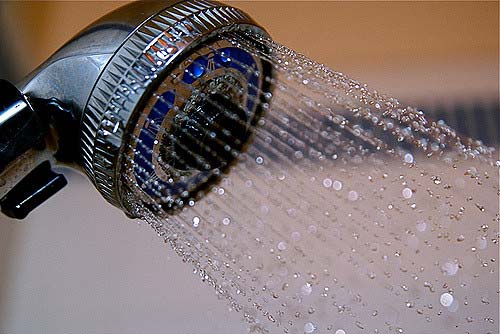
Showerhead spraying water, illustrating water usage and plumbing maintenance tips for homeowners.

Switch Your Shower Head & Save

You could probably guess that your shower is the biggest water user in your home. In fact, the average home uses 40 gallons of water every day (according to the U.S. Environmental Protection Agency). That translates to over 4.9 billion gallons a day in the United States!

You can save money by reducing your home’s water usage by making one simple change to your bathroom…

Switch Your Shower Head

Was your shower head installed prior to 1994? Due to the age of this shower head, you could be using an unnecessary amount of water. Here’s why: older shower heads typically spray 5 gallons a minute. Shower head models that were made after 1994 spray almost half of that and are much more efficient.

Test It!

How do you know if your shower head is spraying more water than necessary? Put it to the test! Here’s how: Place a gallon bucket under the spray of your shower head. Turn on your faucet the way you would normally turn it on for a shower. If the water from your shower head reaches the brim of your one gallon bucket in less than 24 seconds, your shower head doesn’t pass the test. You could possibly benefit from a new shower head.

Switch & Save

If your shower head didn’t pass the test, it’s time to make a switch and save! When you go to shop for a new shower head, look for a “WaterSense” label. That means that particular shower head is highly efficient, saving water & dollars.

It’s that easy! Just a simple switch could save you hundreds of dollars a year in your water bill. At The Bosworth Company, we are here to ensure the comfort of your household. If you’d like more information on how to save on your utility bills, follow our boards on Pinterest!