 Click to leave us a review


Humidity, Dehumidifier, and Humidifier Basics to Know
Finding the ideal humidity level is crucial for maintaining comfort, promoting health, and protecting finishes and furnishings. Dry winter air, or that heavy, damp feel in summer, often stems from an imbalance that affects indoor air quality and everyday routines. With the right moisture control strategy—whether through a humidifier, a dehumidifier, or both—homes can maintain a steady environment that feels better and works better for occupants and building materials alike.
Why Does Humidity Level Matter?
 Humidity influences more than comfort; it also affects the condition of the structure and the performance of heating and cooling systems. Excess moisture can encourage musty odors, surface condensation, and conditions favorable to dust mites and mildew. Over time, that extra moisture may lead to peeling paint, swollen wood, and tarnished finishes. By contrast, air that is too dry often brings static electricity, irritated skin and sinuses, and cracking in hardwood floors, furniture, and trim.
Balanced moisture supports indoor air quality and helps HVAC equipment maintain steady temperatures without excessive runtime. When humidity is kept in a moderate range, rooms feel more comfortable at typical thermostat settings, and visible wear on sensitive materials becomes less frequent. In many households, dialing in this balance involves ventilation adjustments and targeted moisture control using a humidifier during dry periods and a dehumidifier when the air feels muggy.
Dehumidifier Installation
Persistent signs of excess humidity—like window condensation that returns quickly after wiping, musty smells in basements or closets, or dark spotting on walls and ceilings—suggest that dehumidifier installation may be warranted. Other clues include warped wood flooring, peeling wallpaper, and rust appearing on metal fixtures. Fabrics that never feel fully dry and increased allergy symptoms can also point to high moisture levels.
When issues appear across multiple rooms, portable units are often insufficient. A whole home dehumidifier, sometimes called a whole house dehumidifier, provides broad coverage by integrating with existing HVAC equipment and ductwork. This approach allows consistent moisture removal from supply air and automatic control based on actual conditions. Professional dehumidifier installation ensures proper sizing, drainage, and placement, which are essential for reliable performance and long-term results.
A well-selected system reduces that clammy feel during humid stretches, helps protect woodwork and electronics, and supports cleaner surfaces by discouraging moisture-related buildup. For residences where humidity problems recur season after season, pairing a whole-home dehumidifier with air sealing, ventilation improvements, or drainage corrections often produces the most durable improvement in indoor air quality.
Humidifier Installation
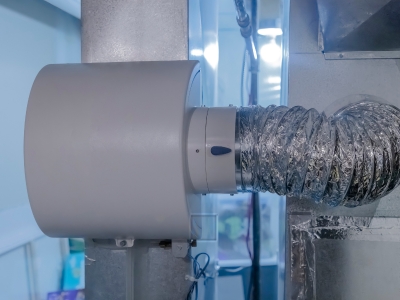 Insufficient humidity presents a different set of challenges. Static shocks, dry or itchy skin, chapped lips, scratchy throats upon waking, and household plants with brittle edges frequently signal that indoor air has become too dry. Around the house, wood materials may crack or gap, and dust can seem more visible as particles remain suspended longer in dry air.
Humidifier installation adds controlled moisture back into the air to restore balance. A whole home humidifier—also known as a whole house humidifier—distributes moisture evenly through the existing duct system rather than treating one room at a time. This integrated solution minimizes the need for refilling tanks, avoids uneven humidity from space to space, and maintains a consistent setpoint with automatic controls. When selected and installed properly, a humidifier helps reduce static, supports easier breathing, and protects wood floors, furniture, and musical instruments from overdrying.
System selection should reflect local climate, building layout, and usage patterns. Steam, bypass, or fan-powered configurations can be matched to specific needs, while modern controls prevent over-humidification. Professional humidifier installation verifies compatibility with heating components, confirms water supply and drainage requirements, and ensures safe operation throughout the season.
For homes that experience extremes on both ends of the spectrum—parched in winter and muggy in summer—a combined plan using a whole home humidifier during dry months and a whole home dehumidifier when conditions turn damp can keep humidity within a comfortable middle ground. This strategy stabilizes indoor air quality, helps HVAC systems operate more smoothly, and reduces visible wear on finishes over time.
Creating the right humidity balance transforms day-to-day living: fewer comfort complaints, less frequent cleaning related to mineral and moisture residues, and a home that feels consistently welcoming. Whether the solution is a single humidifier, a comprehensive dehumidifier installation, or a thoughtful mix of both, whole-home systems provide the most convenient and effective path to lasting results.
About The Bosworth Company Kerrville
The Bosworth Company Kerrville is a top-rated plumbing, HVAC, and generator company with a long history of excellent service in the communities of Kerrville and the surrounding areas. They are licensed and insured, and their background-checked technicians use the latest technology to ensure the work is completed to the highest standard. Call them today for Indoor Air Quality Services in Kerrville, TX.
)
Distribution Links +
- metro.newschannelnebraska.com
- northeast.newschannelnebraska.com
- plattevalley.newschannelnebraska.com
- panhandle.newschannelnebraska.com
- lifestyle.3wzfm.com
- lifestyle.thepodcastpark.com
- lifestyle.953hlf.com
- lifestyle.rewind1019.com
- lifestyle.countrylegends1059.com
- lifestyle.967wshv.com
- lifestyle.1045thedan.com
- lifestyle.kbew98country.com
- lifestyle.kccrradio.com
- lifestyle.capitalcityrock.com
- lifestyle.current943.com
- lifestyle.hotcountry931.com
- lifestyle.pierrecountry.com
- lifestyle.kotaradio.com
- lifestyle.q923radio.com
- lifestyle.all80sz1063.com
- newsnetmedia.com
- atlanta.newsnetmedia.com
- augusta.newsnetmedia.com
- austin.newsnetmedia.com
- buffalo.newsnetmedia.com
- columbia.newsnetmedia.com
- columbus.newsnetmedia.com
- fresno.newsnetmedia.com
- jacksonville.newsnetmedia.com
- losangeles.newsnetmedia.com
- minneapolis.newsnetmedia.com
- monterey.newsnetmedia.com
- nashville.newsnetmedia.com
- norfolk.newsnetmedia.com
- odessa.newsnetmedia.com
- pittsburgh.newsnetmedia.com
- portland.newsnetmedia.com
- quincy.newsnetmedia.com
- sacramento.newsnetmedia.com
- saltlakecity.newsnetmedia.com
- sanantonio.newsnetmedia.com
- sports.newsnetmedia.com
- lifestyle.egcitizen.com
- lifestyle.hendersonvillemagazine.com
- lifestyle.middletownlifemagazine.com
- lifestyle.effinghammagazine.com
- lifestyle.easthanoverflorhamparklife.com
- lifestyle.todaysfamilymagazine.com
- lifestyle.poolermagazine.com
- lifestyle.fredericksburgparent.net
- lifestyle.newarklifemagazine.com
- https://go.chinesewire.com
- https://smb.bogalusadailynews.com
- https://smb.orangeleader.com
- https://smb.panews.com
- https://smb.albertleatribune.com
- https://smb.lobservateur.com
- https://smb.panolian.com
- https://smb.atmoreadvance.com
- https://smb.austindailyherald.com
- https://smb.oxfordeagle.com
- https://smb.claiborneprogress.net
- https://smb.clantonadvertiser.com
- https://smb.brewtonstandard.com
- https://smb.kenbridgevictoriadispatch.com
- https://smb.leaderpub.com
- https://smb.thesnaponline.com
- https://smb.windsorweekly.com
- https://smb.gatescountyindex.com
- https://smb.ourdavie.com
- https://smb.thecharlottegazette.com
- https://smb.thecoastlandtimes.com
- https://smb.theinteriorjournal.com
- https://smb.winchestersun.com
- https://smb.farmvilleherald.com
- https://smb.salisburypost.com
- https://smb.shelbycountyreporter.com
- https://smb.smithfieldtimes.com
- https://smb.roanoke-chowannewsherald.com
- https://smb.thepostsearchlight.com
- https://smb.lowndessignal.com
- https://pr.washingtoncitypaper.com
- https://smb.prentissheadlight.com
- https://smb.beauregardnews.com
- https://pr.hattiesburg.com
- https://pr.stylemg.com
- https://pr.boreal.org
- https://pr.wncbusiness.com
- https://pr.norwoodtownnews.com
- https://pr.hopedaletownnews.com
- https://pr.naticktownnews.com
- https://pr.norfolkwrenthamnews.com
- https://pr.omahamagazine.com
- https://pr.hollistontownnews.com
- https://pr.davisjournal.com
- https://pr.columbiabusinessmonthly.com
- https://pr.wvcjournal.com
- https://pr.mysugarhousejournal.com
- https://pr.southjordanjournal.com
- https://pr.draperjournal.com
- https://pr.murrayjournal.com
- https://pr.taylorsvillecityjournal.com
- https://pr.valleyjournals.com