
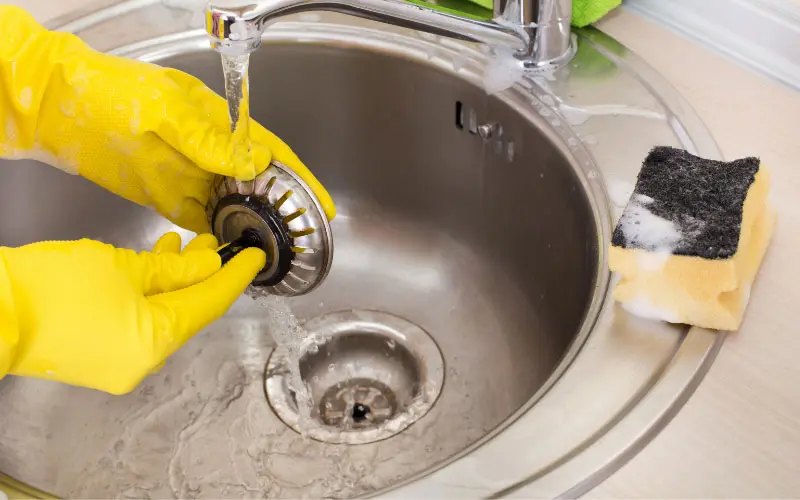
Person in yellow gloves cleaning a sink drain with running water, surrounded by a sponge and dishcloth, illustrating essential drain maintenance tips for homeowners.

5 Crucial Drain Maintenance Tips

You may not spend much time thinking about the drains around your home, but they are an important part of keeping you comfortable. This applies to drains throughout your home, including in the kitchen, utility room, bathroom sinks & showers, and in the bathtub. In this post, we’ll offer some simple steps on how to maintain your drains and keep the water flowing!

ELIMINATE DEBRIS

It may seem obvious to you, but you wouldn’t believe the types of things people try to put down their drains. But even common, everyday items can cause buildup in your pipes that you don’t want. Things like soap scum, hair, coffee grounds, and grease from cooking should be kept out of drains. This also applies to your kitchen sink – even if you have a garbage disposal.

ROYAL FLUSH

You flush the toilet after every use, but do you ever think of flushing your drains? It’s not a bad idea to do it as frequently as every week. Boil a pot of water on the stove, and pour half of it down the drain. Then wait about five minutes and pour in the rest. Repeat this process on every drain in your home. That steaming hot water will help clear the gunk and grime out of your pipes and keep water flowing smoothly. This trick really works to melt thick grease in the kitchen that can easily turn into a thick sludge.

ENZYMATIC CLEANER

Aside from the weekly boiling water, you can use an enzymatic cleaner about once a month. These high-grade cleaners can be purchased online or at most general hardware stores. Enzymatic cleaners use a special combination of enzymes that will chemically break down harmful residue in your drain without damaging your pipes. Just follow the directions on the label.

GARBAGE DISPOSAL

As mentioned above, just because you have a garbage disposal doesn’t mean you can put just anything down the drain. (Celery is a big no-no, trust us.) But, there are ways to maintain the disposal itself. One easy way is by dropping a few ice cubes down the drain, then letting the garbage disposal chop them out. This not only helps clean out some of the sludge that might be built up but it also sharpens the blades in the process.

SECRET INGREDIENT 

To really do a number on a clogged drain, take a page from your high school chemistry class. Combining vinegar and baking powder creates a powerful reaction that’s great for drain cleaning.  Sprinkle about half a cup of baking powder inside and around the top of the drain, then pour in about the same amount of vinegar, and let the bubbles do their job. It will magically eat away at gunk and grime.

WORTH THE CALL

If you do run into stopped-up drains, The Bosworth Company in Kerrville is always ready to respond to any of your plumbing needs. Make an appointment online, or call us at  830-428-2764. It’s Worth the Call. Always.

Girl pointing at a chalkboard illustrating the water cycle, featuring sun, clouds, and raindrops, emphasizing the importance of water (H2O) in the hydrologic cycle.

The Water Cycle (and Why It’s Important To You)

We all know that water is essential for life on earth. Plants and animals need water to survive. You probably only think about water when you’re having a drink or taking a shower, but when you do use water, you want it to be as fresh and clean as possible. In this post, we’ll discuss the three main parts of the water, or hydrologic, cycle, and the impact the cycle has on your water at home.

WATER IN THREE FORMS

If you remember from your junior high science class, water comes in three forms: solid, liquid, and gas. Liquid makes up the vast majority, as it fills up our oceans, lakes, and rivers. Water in its solid form makes ice in the form of glaciers and polar ice caps. The gas form of water is called vapor and is found in the atmosphere.

Water changes from one form to another via the hydrological cycle – meaning the total amount of water on earth doesn’t change.

THE HYDROLOGICAL CYCLE

The hydrological cycle consists of evaporation, condensation, and precipitation, and it truly never ends!

Evaporation is when water turns into vapor. This happens when the water is heated. This can happen via the sun, or when boiling water on your stove. When you see steam rising from the pan, you’re seeing evaporation in action. In nature, the sun, wind, and the density of the water all play a role in evaporation.

Condensation is when gas changes into liquid. This is also a product of temperature. Foggy windows in your car, or a cold glass of water on a hot day, are both good examples. When the moisture in the air reaches a certain temperature, it turns to liquid. This is also the process that causes clouds or fog to form in the sky.

Precipitation is probably the easiest to recognize: rain, snow, sleet, and hail. Basically, any form of liquid that falls from the sky is considered precipitation. When the vapor forming the cloud cools, it turns into liquid and falls to the ground in the form of rain.

WATER IN YOUR HOME

The hydrologic cycle can be seen in your home every day. We’ve already mentioned the process of boiling water on the stove, but that’s just the start. The water molecules you use for bathing, cooking, cleaning, and drinking have all changed forms millions of times. By the time they reach your home, they’ve collected contaminants along the way. This can result in common hard water issues, such as poor taste, dry skin, and calcium build-up on faucets.

WORTH THE CALL

A couple of common solutions for hard water include water softeners and reverse osmosis. Both of these products are available for sale or rent at The Bosworth Company. They can fix your hard water problems and make sure the hydrologic cycle is working for you! Make an appointment online, or call us today at (830) 428-2764. It’s Worth the Call. Always.
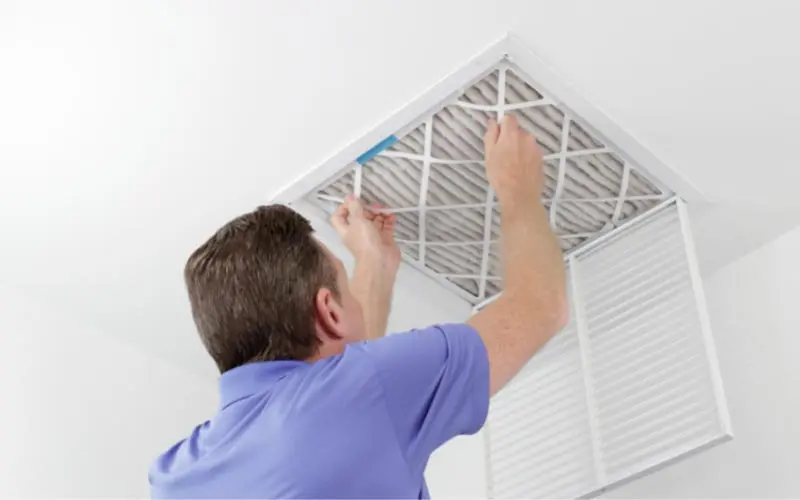
Technician replacing an air filter in a ceiling vent, emphasizing HVAC maintenance for improved indoor air quality.

Preventing Seasonal Allergies With Air Filtration

If you suffer from allergies, you know there are so many things that can potentially trigger them. In places like Kerrville and the Texas Hill Country, allergy sufferers are exposed to a multitude of pollen and allergens that can leave you sniffly and watery-eyed for days. The good news is that a proper home air filtration system can work wonders at getting rid of the contaminants and helping you breathe easier. In this post, we’ll discuss a few things you can do to help!

FIGHTING MOLD

We all know that mold grows in dark, wet places. We also know that breathing in mold spores is terrible for your allergies. You may not realize that dead leaves and grass that start in the fall and carry into winter are major contributors to mold. 

Preventing mold in your home is best accomplished by keeping the humidity low. Simple steps include running the vent fan in the bathroom during showers, or in the kitchen when you’ve got food on the stove. It may sound minimal, but keeping that moisture out of your home makes a big difference in preventing mold. That will help prevent allergens that can cause things like cough, sore throat, headache, and itchy, watery eyes.

CHECK THE VENTS

As long as we’re still getting those occasional warm days, your vents may be going back and forth between handling warm and cool air. This can actually make it harder to fight humidity in your home, making mold even more likely.

If you do find mold inside your home, make sure it’s not in your air vents or ducts. Once mold makes it into your air circulation system, your allergies are toast! Aside from being bad for your health, mold in the ducts will also lead to the deterioration of your system itself. At that point, getting a home air purification system is critical!

KEEP IT CLEAN

Now that temperatures are falling, it’s likely you’ll spend more time indoors. That means it’s even more important to have clean air available for breathing – but more time inside also means that more dirt and dust will accumulate. A regular dusting around your air vents can help prevent these allergens. You can even remove the register (vent cover) and reach into the duct to clear out any dust that may be lingering.

WORTH THE CALL

If allergies are bothering you, or you just want to breathe cleaner air in your home, The Bosworth Company has a variety of air purification systems to meet your family’s needs. Make an appointment online, or call us at (830) 428-2764. It’s Worth the Call. Always.
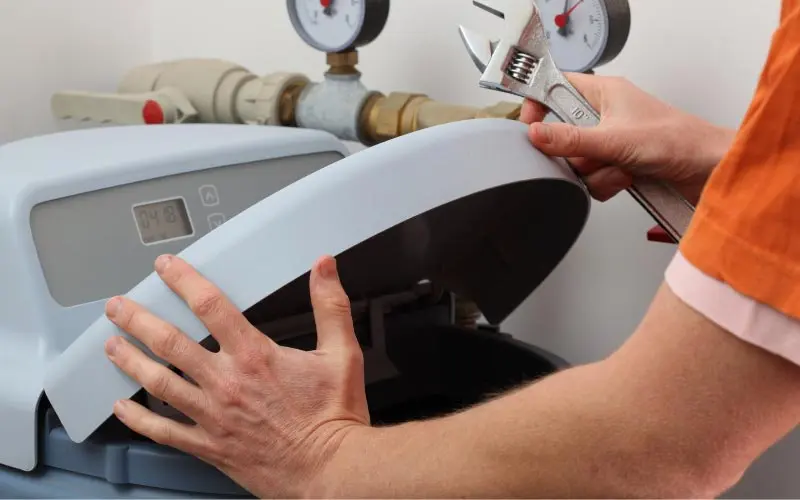
Water softener repair technician using a wrench to open a water softener unit for maintenance, highlighting the importance of regular servicing for optimal performance.

Water Softener Repair

A water softener can be a great addition to your home. You’ll also enjoy cleaner dishes and clothes, less buildup around your faucets, and softer skin and hair. You’ll also be getting rid of that hard water that shortens the life of your appliances. To make sure your water softener is working as it should, you should make sure it has regular maintenance. In this blog, we’ll discuss warning signs for when maintenance or repair is necessary.

SHOWING THE SIGNS

Hard water happens anytime minerals are collected as water makes its way from reservoirs into your faucet. Though normally not dangerous, it can make your water taste or smell funny, and unfortunately is a common problem in Texas. If you have a water softener but are noticing some of the side-effects of hard water, that means the water softener is in need of repair. These signs can include:

  • Dry or scratchy skin and hair
  • Stiff or scratchy clothes after laundry
  • Water spots on dishes
  • Scaly buildup on faucets and other fixtures
  • Soap scum residue on sinks, shower stalls, and bathtubs

These are all signs of hard water that you should not have if your water softener is working properly. A telltale sign that the softener is actually malfunctioning is if resin beads start showing up in your water and/or clogging your faucets. If any of these are the case with you, contact The Bosworth Company and we’ll work to get your softener repaired as quickly as possible!

SYSTEM REPAIR

How we repair your system depends on the problem you’re facing. Sometimes it’s as simple as replacing the control head or unclogging valves, but it can also involve a cleaning, or even rebuilding the mineral or brine tank. These are jobs that are best left to a professional, such as the certified technicians at The Bosworth Company.

TIME TO REPLACE?

If your water softening system is more than 10 years old, it may be time for a replacement – and if it’s more than 20 years old, it’s definitely time to start looking! Having your water softener regularly serviced will help lengthen its lifespan. As new technologies become available, it’s possible that it’s time for an upgrade. Talk to an expert about your options!

WORTH THE CALL

The good news is that The Bosworth Company offers water softener service and maintenance, as well as water softener systems for sale or rent! If you’d like to learn more about our options, make an appointment online, or speak to a technician today by calling 830-428-2764. It’s Worth the Call. Always!

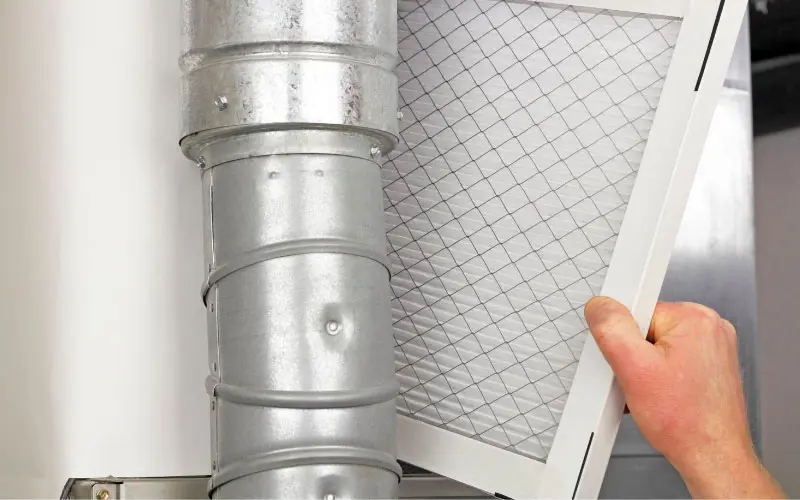
Hand removing a dirty air filter from a duct, emphasizing HVAC maintenance and air quality improvement.

Why Do My Air Filters Get Dirty So Quickly?

One of the easiest and most fundamental things you can do to keep your HVAC going strong is a regular cleaning or changing of your air filters. This is critical because air filters will inevitably get dirty as they work to remove contaminants from your home’s air. In this post, we’ll discuss some of the reasons that air filters clog up so fast!

FEEL THE HEAT

When it’s hot outside, you’re likely blasting the A/C – possibly all day long! The same can be said when it’s extra cold and you’re pumping the heat. The more you run your system, the more the air flows, and the faster the filters fill up! 

CHECK THE SETTING

Most basic thermostats have two settings: Auto and on. “Auto” means the system will only run when the temperature in the house is above (or below) a limit that you set. This is generally considered the more efficient setting. If your system is set to “on” that means the air is constantly blowing through your filters, which will make them clog sooner.

DOGGONE

When it comes to air quality, pet dander is a common contaminant. If you own a pet, chances are you’ll need to change your filter about once a month because of the particles that get into the air from your dog or cat’s fur. But if you love your pet, it’s totally worth it!

PACKED HOUSE

The more the merrier – but not for your air filter. A packed house normally means an increase in airborne contaminants. Four, five, six people, especially if many are adults or older teens, in a home can do a number on the air filter. Once you become an empty nester, you can go back to a more routine filter schedule.

UNDER CONSTRUCTION

Home renovations can be a great way to increase your comfort and increase the value of your home. However, this can create a lot of dust – dust that can end up in your air filters. If you’ve had construction work in your home, definitely check (and probable change) the filters right away.

WORTH THE CALL

These are just some of the reasons that air filters can get dirt and clogged fast. If you have additional questions about why they’re so dirty, give The Bosworth Company a call. Not only can we help you diagnose the problem, we even offer a free filter as part of our Fall Clean and Check! For just $109, we’ll check out your entire heating system and throw in a filter for free! Make an  appointment online, or call us today at 830-428-2764. It’s Worth the Call. Always.
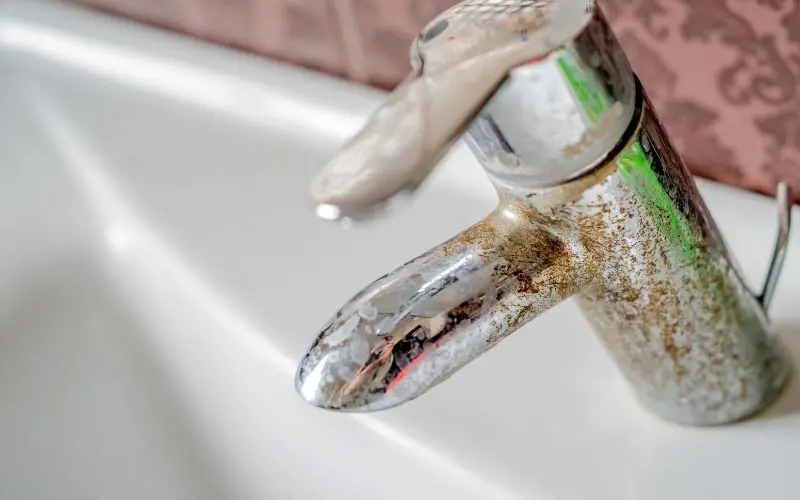
Faucet with hard water stains and corrosion, illustrating the effects of hard water on plumbing fixtures, relevant to water softener maintenance discussions.

5 Must-Do Water Softener Maintenance Tasks

If you experience hard water from the city water line, or hard/contaminated well water, it’s likely that you’ve invested in a water system like reverse osmosis (RO) or a water softener. These are great ways to provide your home with cleaner, fresher, better tasting water. However, like other appliances, water softeners do require occasional maintenance to maintain peak performance. In this post, we’ll discuss some of the routine water softener maintenance tasks that should be performed on your system.

MAINTENANCE SCHEDULE

  • Water softeners do require some maintenance. Things like checking the salt level can easily be done at home, but other tasks require an expert.
  • Because it can build up over time, it’s a good idea to occasionally give your resin a thorough cleaning. Keeping the beads clean will help them work better and last longer.
  • Similarly, the brine tank should be cleaned regularly to avoid the inevitable build-up of sludge. If minerals are allowed to build up and aren’t cleaned, this can lead to mildew and other more serious problems.
  • Once minerals are removed from your water they need a place to go. That’s why you should regularly check valves in the pipes and fixtures and clean any mineral build-up. In some cases, they may need to be replaced.
  • Simply testing the water occasionally is still necessary to make sure your water softener is working properly. Trace contaminants may not alter the smell or taste, but it’s nice to know that your water is as fresh and clean as it’s supposed to be!

AT YOUR SERVICE

The Bosworth Company offers affordable plans to make sure your water softeners get the regular maintenance they need to keep providing you with fresh water. For plans as low as $45/month you can RENT a system and get maintenance included! Our fully licensed water treatment specialist can install the system, then offer full maintenance to make sure you’re getting the best possible value. You’ll also get all the benefits of cleaner water for drinking, cooking, washing, and bathing, as well as making life easier on your faucets and fixtures.

WORTH THE CALL

If you’re ready for cleaner, smoother water, give The Bosworth Company in Kerrville a call today! You can make an appointment online, or reach us at 830-428-2764. It’s Worth the Call. Always.
White radiator shaped like a house on a yellow striped wall, symbolizing home heating solutions and maintenance tips from The Bosworth Company in Kerrville.

7 Quick Heater Maintenance Tips

Cooler weather is here, and you may even have already turned on your heater in the early morning hours. Like many household appliances, common problems can be avoided by a little regular maintenance. In this post, we’ll discuss a few common-sense ways to ensure that your heater is ready to keep you toasty all winter long!

Your entire HVAC system should get a professional tune-up at least once a year. We recommend it twice a year, once in the spring and again in the fall. That way you’re prepared for the switch from heat to air conditioning, and then back to heat. The Bosworth Company’s Fall Clean & Check includes a complete check-up and cleaning of your entire system. This regular maintenance will help avoid future breakdowns, improve efficiency, and ensure that your system is running safely.

It bears repeating. Regularly changing your air filters can have a direct impact on the life of your system. A clogged filter means your HVAC is working harder than it needs to. Make things easier by cleaning or changing them every couple of months.

This next one is for safety: you know about checking the batteries on your smoke detector, but make sure to check the batteries on your carbon monoxide (CO) detector too. Carbon monoxide is created by your furnace to help heat your home. If your system is working properly, the CO should be filtered out, but if CO is getting into your home, you’ll want to know right away! A properly working CO detector could save your life!

Make sure all of your air vents (registers) are open. It may seem like closing the vents in rooms you don’t use will help conserve energy, but it actually has the opposite effect. Your system was designed with the right power for your home, so if some vents are closed, it’s not operating at peak efficiency.

The area around your furnace unit should be clear. Make sure there isn’t debris, insulation, storage, or other things that could hinder performance, or interfere with one of our techs serving your unit!

A programmable thermostat may seem like an unnecessary luxury, but it will actually help transform your system. Not only will it increase efficiency, but it will also offer some conveniences you’ll never know how you lived without it!

If you’re currently running a gas furnace, consider upgrading to an electric heat pump. Not only are they more environmentally friendly, but they also will increase overall efficiency and lower your power bill!

WORTH THE CALL

If you have any questions about preparing for the winter or are ready to take advantage of our Fall Clean & Check, make an appointment online, or call The Bosworth Company today at (830) 428-2764. It’s Worth the Call. Always.
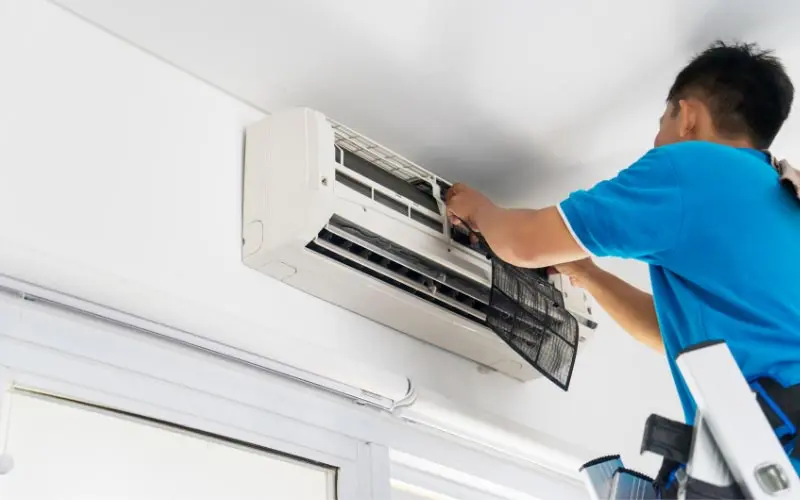
Technician performing maintenance on a wall-mounted air conditioning unit, emphasizing HVAC service and care for homeowners considering A/C replacement.

6 Signs It’s Time for a New A/C

One of the single biggest decisions you’ll make as a homeowner is when to replace your A/C. The upfront costs can seem daunting – even though you know a unit will eventually pay for itself through lower maintenance and repair costs, and a decreased power bill. In this post, we’ll take a look at some of the signs that it’s time for a replacement.

FREE FROM FREON

Most HVAC units built and installed prior to 2010 use Freon as a coolant, Freon, also called R-22, is being phased out due to environmental regulations. So while it’s still technically available, it’s very expensive and no longer being produced. Even if you don’t mind the higher cost of this refrigerant, you will eventually have to replace the entire unit to get one that uses the more modern R410A.

AGING OUT

Let’s say your HVAC unit was installed prior to 2010, but instead of Freon, your model was ahead of its time. If you’re noticing performance issues, it may be time for a replacement anyway. That’s because A/Cs typically last between 12-15 years. Large-scale repairs can be expensive, so save the hassle and invest in something new.

LOSS OF EFFICIENCY

Even if your A/C is older, it may still be running great! What you really need to watch for is a loss in efficiency. Check the unit’s SEER rating. If the rating is below a 14, chances are it’s not running very efficiently at keeping you comfortable in your home. A new unit, with a higher SEER rating, should dramatically decrease your electric bill.

REPAIRS

No one likes to be consistently dealing with repairs. If that’s ever been you, you know they can really add up. When evaluating all your costs, you’ll likely see that a new unit altogether is a very reasonable option. If the cost of a repair would equal a large part of a potential replacement cost, it’s likely a good financial decision.

BREAKDOWNS

The most obvious reason to get your A/C replaced is if it’s just plain not running! In the hot Texas summers, that is not an option, and may even be dangerous! If your unit is not running or is regularly breaking down, it’s definitely time for an upgrade.

COMFORT

Let’s say your unit doesn’t break down – it’s technically still running. But the temperature in your home just never feels right, even though it always seems to be running (and costing you money!). This is a sign that an aging system may be worn out, or may even be the wrong size for your home. A nice new unit will be the proper size to cool (or heat) your entire home without overworking itself!

WORTH THE CALL

Got questions about your A/C? Think it may be time for a replacement, but you’re not sure where to turn? The experts at The Bosworth Company call help. Make an appointment online or call us today at (830) 428-2764. It’s Worth the Call. Always.
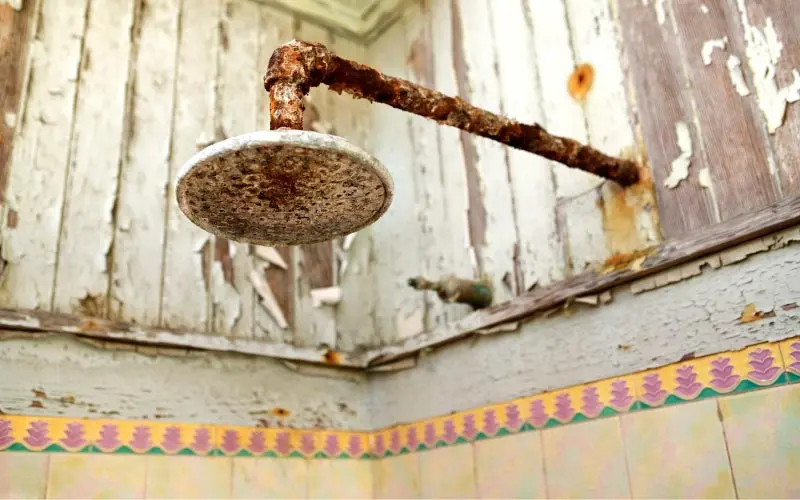
Rusty showerhead with visible corrosion and peeling wall paint, highlighting issues related to hard water and rust stains in bathrooms.

What to do About Rust & Hard Water Stains

Hard water in your home has several disadvantages. Most people don’t like it because it tastes bad and is hard on your skin and hair. Another disadvantage of hard water – and rust – is that it’s hard to clean! In this post, we’ll offer some tips on preventing rust stains in your toilet, and keeping it and your entire bathroom clean.

PREVENTING RUST

The first step of eliminating rust is preventing it in the first place. Traces of iron in your water (part of what makes hard water “hard”) can show up as an orangish-brown ring on the inside of your toilet bowl. It’s unsightly, to say the least, especially in a place you want to keep sanitary. Here are a few ways you can prevent that embarrassing ring from forming:

  • Keeping your toilet clean by giving it a good scrub on a regular basis – at least once a week – will prevent the ring from building up. This is true especially for toilets that aren’t used as often, where the water is just sitting in the bowl.
  • Older homes are more likely to have iron pipes, which will naturally lead to more iron and more rust. If you’re up for some plumbing remodeling, definitely consider upgraded pipes!
  • A water softener helps remove iron from your home’s water, which will lead to less rust.

CLEANING RUST

Do you know those rough rocks used in spas and nail salons to scrape dead skin from your feet? You may not know that these are called “pumice stones” and they can be used to clean rust in toilets as well. However, be gentle – scrubbing too hard with these stones could damage the finish on the porcelain.

That’s why we recommend old faithful – white vinegar with a splash of lemon juice. You can spray the mixture on the rust and scrub it right out. You may even want to leave a vinegar-soaked paper towel on the stain overnight.

CLEANING HARD WATER STAINS

Hard water can be a factor in rust stains, but contaminants aside from iron can cause stains too. The effects can vary, but it could show up as a chalky ring in your toilet, a yellow ring, or anything in between. Getting rid of toilet hard water stains can be slightly different from how you clean rust.

Once again, vinegar is the go-to, but this time mix it with baking soda to create a chemical reaction that will help in cleaning. Just let it simmer on the stain for a few minutes before scrubbing. You can also try mixing vinegar with Borax, or just using Borax paste.

WORTH THE CALL

The easiest way to deal with rust and hard water is by attacking it before it ever gets to your faucets, sinks, showers, or toilets! The Bosworth Company can install a water softener that treats water as it arrives on your property – so it’s soft and contaminant-free by the time it reaches you! Make an appointment online today, or call us at (830) 428-2764. It’s Worth the Call. Always.
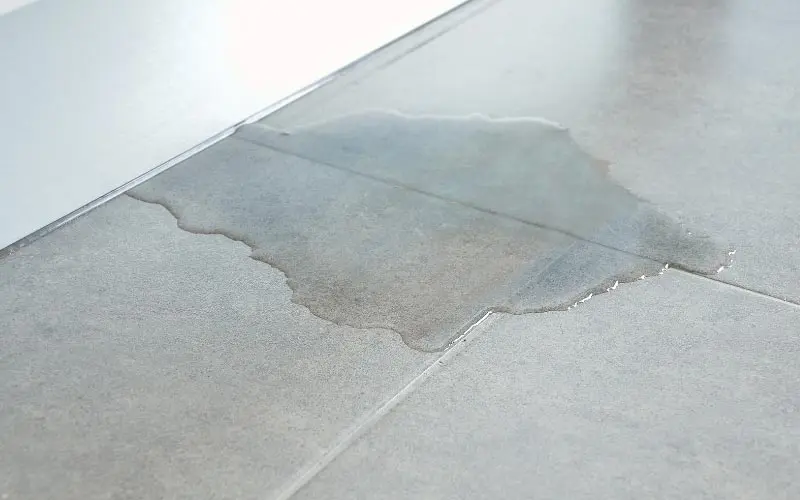
Water pooling on tile floor indicating potential condensate leak from air conditioning system, relevant to HVAC maintenance and humidity control.

How Do I Know if I Have a Condensate Leak?

The Texas Hill Country is often considered one of the top places to live in Texas. It’s certainly the most beautiful, and the weather is generally mild. But we all know what it feels like when the humidity rises. Thankfully, a properly running air conditioner helps rid your air of humidity by gathering the moisture on the evaporator coil, allowing that water to drain outside. In this post, we’ll talk about what happens when you have a condensate leak from the A/C and the impact of higher humidity.

DO YOU HAVE A LEAK?

Finding out if you have a condensate leak is easy. The drain lines funnel water from your main unit outside your home. Head to the attic and find the drain line and drain pan. The drain pan is meant to catch excess moisture should there be a leak. Ideally, the area around your drain line and the drain pan should be completely dry. A small amount of moisture in the drain pan can funnel out via a separate drain line. Find the drain line on the exterior of your home. The main drain line will likely have some moisture coming out, but the excess line should only be dripping if there is a leak or clog.

No leak? These are other factors that can contribute to moisture around your A/C:

HIGH HUMIDITY

When the humidity is high, there’s more moisture in the air, which means more moisture gets into the HVAC system while the A/C is running. That means more water needs to be drained from the system. It also means your A/C is working harder, burning more energy, and costing more to keep you comfortable.

CONDENSATE OVERFLOW

Blockages or other factors can cause your drain line to overflow. Check the area around the line to see if there’s any rust. That’s a surefire sign that it’s been leaking. If the drain gets clogged with dirt or debris from your attic, that can cause the draining water to backup and corrode the inside of the line.

One of the worst side effects of a leaky A/C is that it can actually cause damage to your home. If the drain pan fills up, the water will eventually spill. If there’s enough overflow, the water will leak through the attic and damage the drywall on the inside of your ceiling. If you notice a water stain on the ceiling near where your HVAC is located, that’s likely the culprit.

PREVENTING CONDENSATION LEAKS

Aside from checking your unit on your own, your best bet to preventing condensation leaks is regular HVAC maintenance. A routine check will catch things like a clogged or rusty drain line, or too much moisture in the drain pan.

WORTH THE CALL

Routine HVAC maintenance is our specialty at The Bosworth Company. We have experts who know exactly where to look for problems, and how to fix them when they arise. We recommend HVAC maintenance twice a year – once in the spring and again in the fall. Make an appointment online, or call us today at (830) 428-2764 and ask for a Fall Clean & Check. It’s Worth the Call. Always.